Garage Door Safety Sensors Acting Up in Katy?
Garage door safety sensors are the two small eyes near the floor that stop your door from closing on a car, pet or child. In Katy, most sensor problems come from dirty lenses, bright sun, a bumped bracket or damaged wiring. A few simple checks can help, and a local provider can handle the rest.
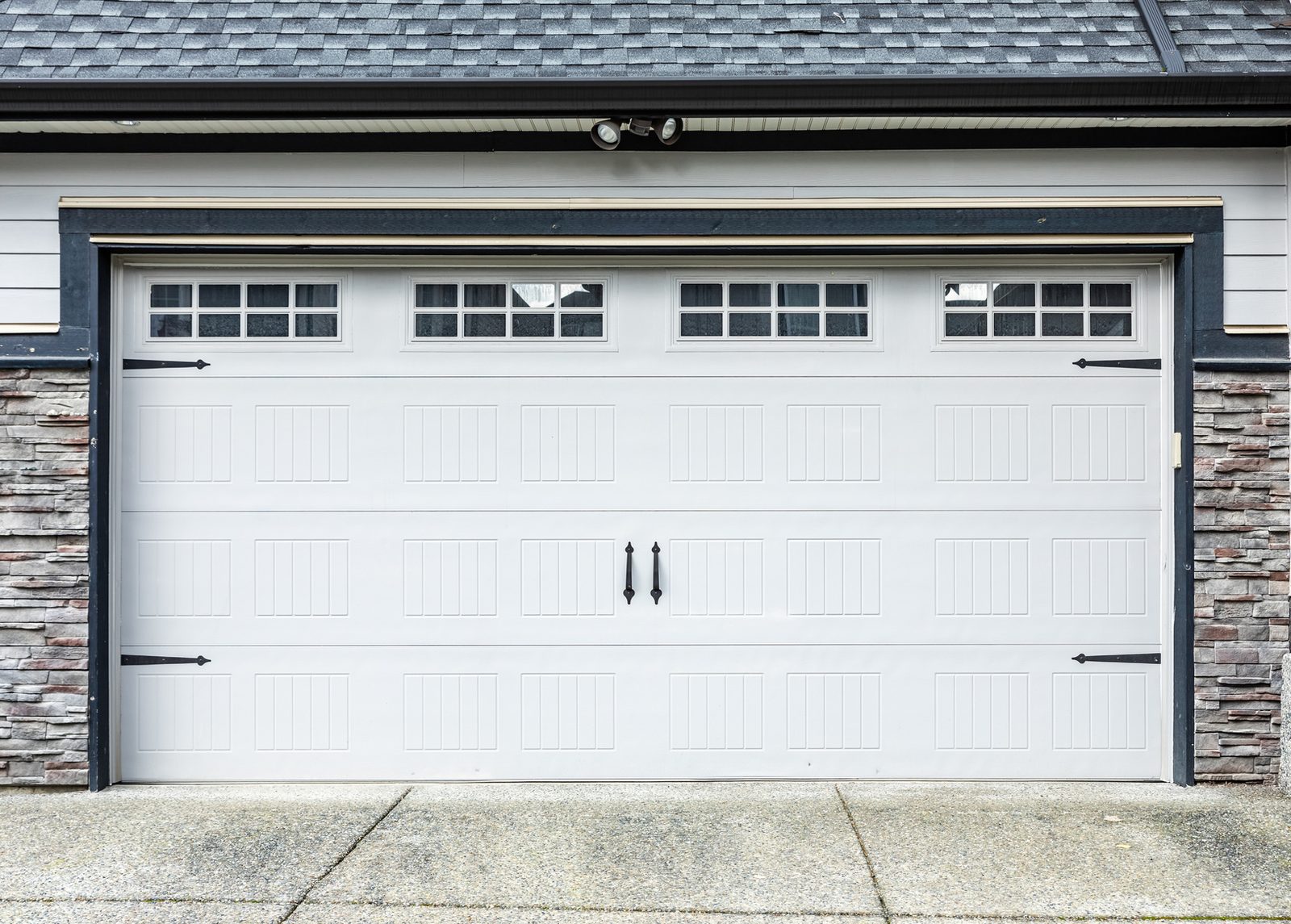
- Garage door safety sensors send an invisible beam across the opening. If the beam is blocked or the eyes are out of line, the door will reverse or refuse to close.
- A blinking light on a sensor or on the opener usually means the eyes cannot see each other.
- Low afternoon sun, cobwebs, dust and a bumped bracket are common causes you can check yourself.
- Never tape over, remove or bypass the sensors. They are a key safety feature of the opener.
- If the door closes but does not reverse when the beam is blocked, stop using the opener and call for help.
What to do first
- Keep people, pets and cars out of the door's path until you know the sensors work.
- Look at both sensor lights. Note which one is off or blinking.
- Clear anything in the opening, then gently wipe both lenses with a soft dry cloth.
- If the door must close now, use the opener's wall button held down, or close it by hand only if the springs and cables look sound.
- If the door does not reverse when you wave an object through the beam, unplug the opener and call to be connected with a local provider.
How do garage door safety sensors work?
Garage door safety sensors work as a pair. One eye sends an invisible light beam across the garage opening, about a few inches off the floor, and the other eye receives it. If anything breaks that beam while the door is closing, the opener stops and sends the door back up.
Each sensor usually has a small indicator light. One light shows the sending eye has power. The other shows the receiving eye can see the beam. When one light is off or blinking, the opener knows something is wrong and will not close the door the normal way.
Why won't my garage door close all the way and goes back up?
When a garage door starts down and then goes back up, the most common reason is that the safety sensors lost sight of each other. Something small in the beam, a dirty lens or a sensor knocked out of line can all cause this.
Other causes look similar but are not sensor problems. A close limit set wrong, a door that binds in the track, or a worn roller can make the opener think it hit something. If the sensor lights are both solid and the door still reverses, the issue may be in the opener settings or the door itself. Learn more about garage door opener repair.
What does a blinking garage door sensor light mean?
A blinking sensor light most often means the two eyes are not lined up or the beam is blocked. On many openers, the light on the opener head also blinks a set number of times to point to a sensor problem.
- Solid on both sides: the sensors see each other.
- One side blinking or dim: alignment is off, the lens is dirty, or sun is shining into the eye.
- One side dark: that sensor may have lost power, often from a cut or loose wire.
Your owner's manual explains what the blink codes mean for your brand.
Need help now? Call to be connected with a local provider in Katy who can check availability for your address.
What simple checks can I try on garage door safety sensors?
You can try a few safe checks on garage door safety sensors before you call. Start by clearing the opening of boxes, bikes, rakes and spider webs. Then wipe both lenses with a soft dry cloth.
Next, look at the brackets. If one sensor is pointing up, down or sideways, gently turn it until its light goes solid. Many brackets have a wing nut that loosens for small moves. Check the thin wires running up the wall for staples through the wire, chewed spots or loose connections.
If none of this helps, or the wiring looks damaged, it is time to call. The sensor and keypad repair page covers more on what goes wrong.
Can bright sun make my garage door sensors stop working?
Yes. Strong, low sunlight shining straight into the receiving eye can confuse it, and the door may refuse to close at certain times of day. West-facing garages are the usual case, since the late-day sun lines up with the opening.
A sign of sun trouble is a door that works in the morning and at night but not in the late afternoon. Some people swap the sending and receiving sides so the receiver faces away from the sun. A small shade over the receiver can also help. A local provider can suggest the right fix for your door.
Is it safe to bypass or disconnect garage door safety sensors?
No. Bypassing garage door safety sensors removes the feature that keeps a closing door from striking a person, pet or car. Taping the eyes together, mounting them up high or unplugging them may get the door to close, but it puts everyone at risk.
If you need to close the door while you wait for help, many openers will close if you hold the wall button down the whole time. Watch the door as it moves and let go if anything is in the way.
What happens during the visit for a sensor problem?
When you call, you are connected with a local provider who serves your part of the Katy area. During the visit, the provider will usually:
- Inspect both sensors, the brackets, the wiring and the opener, and test the auto-reverse.
- Explain the options in plain words, such as cleaning and aligning the eyes, repairing a wire, or replacing a worn sensor pair.
- Give a written quote before any work starts, so you can decide with all the facts.
Ask questions at any step. A good provider will show you what they found.
When should garage door safety sensors be replaced instead of adjusted?
Garage door safety sensors usually need replacing when a lens is cracked, a sensor stays dark even with good power, or water has damaged the housing or wiring. Adjusting will not fix a sensor that has failed inside.
Sensors are often matched to the opener brand. If your opener is old and acting up in other ways too, a provider may explain whether a sensor swap or a newer opener makes more sense. A regular maintenance tune-up can catch weak parts early.
How does Katy weather affect garage door sensors?
Katy weather is hard on the small parts near the garage floor. Houston Intercontinental's record high is 109°F, set on August 27, 2011 and on September 4, 2000, and long hot summers can wear on wire coatings and plastic sensor housings.
Rain matters too. Houston's 1991-2020 normal annual rainfall at Intercontinental is 51.84 inches. The Atlantic hurricane season runs from June 1 to November 30. The Harris County Flood Control District says a major flood occurs somewhere in Harris County about every two years, and that flooding can occur outside mapped floodplains. Sensors sit low, so standing water or wind-driven rain can reach them.
If you are adding an opener that ties into an alarm system, note that the Texas Department of Public Safety says installing an opener connected to an alarm, or one that monitors or logs entry, requires a DPS license, while opener-only installs do not.
Whether you live in Cinco Ranch, Fulshear, Mission Bend, Brookshire or Katy itself, call to be connected with a local provider who serves your area.
Related pages
Questions people ask
Why are my garage door safety sensors not working in Katy?
In Katy, garage door safety sensors most often stop working because of dirty lenses, low sun, a bumped bracket or damaged wiring. Clean the lenses, check alignment and look at the wires, then call for help if the lights still are not solid.
How do I know if my garage door sensors are out of alignment?
Misaligned garage door sensors usually show a blinking or dim light on one side. Gently turn that sensor until its light stays solid.
Why does my garage door only close when I hold the wall button down?
That usually means the opener sees a sensor problem and is using its manual override. The sensors are blocked, dirty, misaligned or not getting power.
What color lights should my garage door sensors have?
It depends on the brand, but many use one amber or yellow light on the sending side and one green light on the receiving side. Both should be solid, not blinking, when the eyes see each other.
Can a spider web really stop my garage door from closing?
Yes. A web or insect over a lens can block the beam enough to stop the door. Wipe both lenses with a soft dry cloth and test again.
Why does my garage door close fine in the morning but not in the afternoon?
This pattern often points to sun glare on the receiving sensor. Late-day sun shining into the eye can block the signal, especially in west-facing garages.
Can I move my garage door sensors higher so they don't get bumped?
Sensors should stay low, near the height the manufacturer lists, so they can detect small children and pets. Moving them up high defeats their purpose.
Is it okay to tape my garage door sensors together to make the door close?
No. Taping or bypassing the sensors removes the safety feature that stops the door from closing on someone. Use the wall button override and call for help instead.
Can a cut wire cause my garage door sensor light to go out?
Yes. A cut, pinched or loose wire is a common reason one sensor light goes dark. Check where the wire runs along the wall and near the floor.
Do I have to replace both garage door sensors if only one is bad?
Many sensors are sold as a matched pair, so both are often replaced together. A local provider can explain what fits your opener.
Will any garage door sensor work with my opener?
Not always. Sensors are often made to work with a specific opener brand, so check your opener model before buying parts.
How do I test if my garage door will reverse when something is in the way?
Start closing the door and pass a broom handle or roll of paper towels through the beam. The door should stop and go back up; if it does not, stop using it and call.
Can rain or water get into garage door safety sensors?
Yes. Because the sensors sit near the floor, heavy rain or standing water can reach them and the wiring. If a sensor acts up after a storm, let it dry and call if it does not recover.
Why did my garage door sensors stop working after I cleaned the garage?
Cleaning often bumps a sensor bracket or loosens a wire. Check that both eyes face each other and the lights are solid.
What does it mean if my garage door opener light blinks 10 times?
On many openers, a set number of blinks points to a safety sensor problem. Check your owner's manual for what the code means on your brand.
Is a broken garage door sensor an emergency?
It can be, if the door closes without reversing or will not close at all at night. Keep the area clear and call to be connected with a local provider.
Who can fix garage door safety sensors near Cinco Ranch or Mission Bend?
Call the number on this page to be connected with a local provider who serves Cinco Ranch, Mission Bend and the rest of the Katy area. The provider can inspect the sensors and give you a written quote first.
Should I replace my opener if the sensors keep failing?
Not always. Repeated sensor trouble is often wiring or alignment, but on an older opener a provider may explain when a newer opener makes more sense.
Talk to someone about your garage door problem
Call to be connected with a local provider who can check availability for your address and explain the next step.